2 of 2 Items
2 of 2 Items


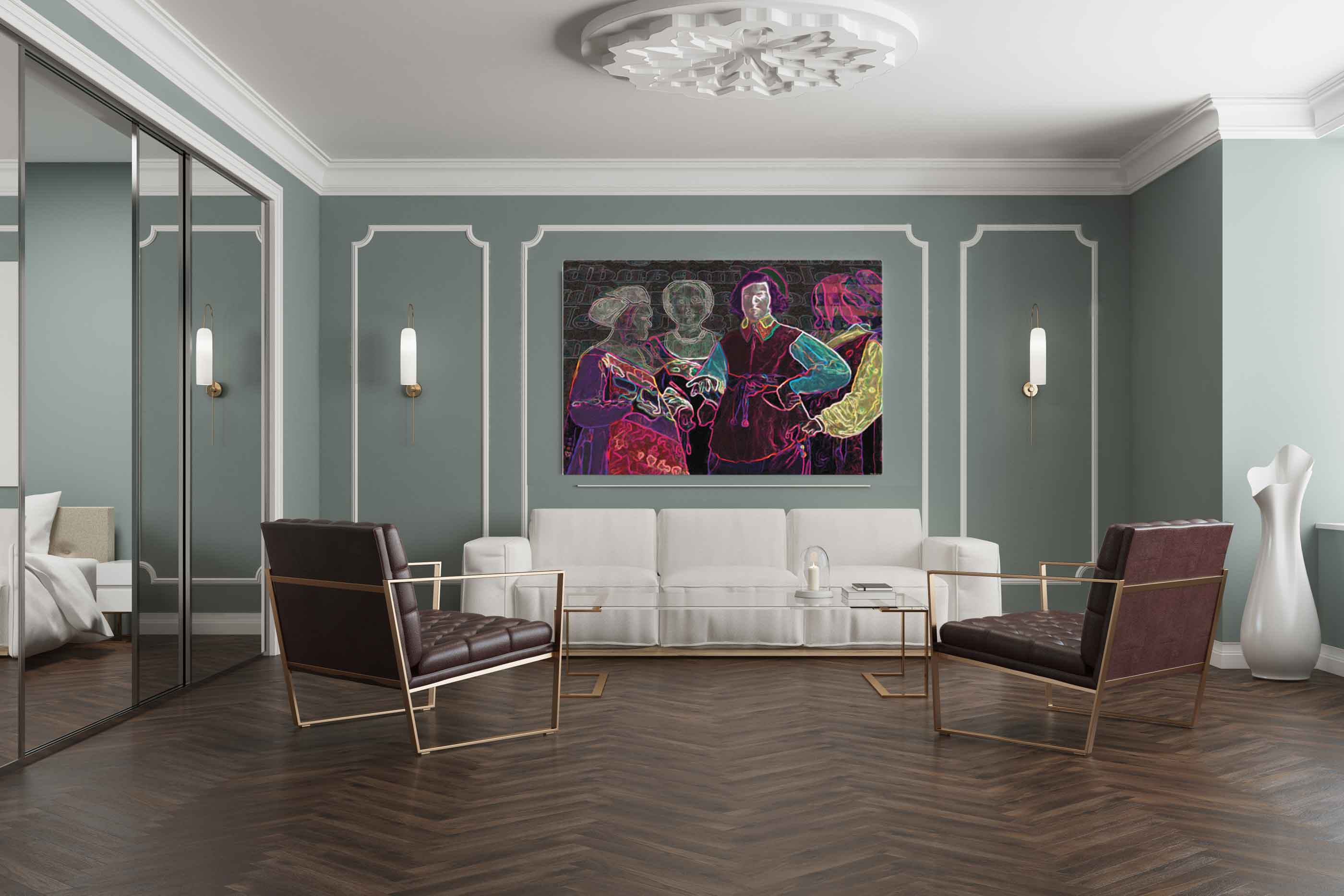

Georges de La Tour was born in Vic-sur-Seille in Lorraine and spent most of his career in Lunéville as painter to the dukes of Lorraine. Surviving documents are few; he may have encountered Caravaggesque painting through travel or through works circulating in the region. Late in life he received recognition from Louis XIII. He died in Lunéville in 1652, and his name faded until scholars and museums revived it in the twentieth century.
Key paintings include The Fortune Teller (c. 1630; Metropolitan Museum of Art, New York), Joseph the Carpenter (c. 1642; Louvre, Paris), versions of The Penitent Magdalen (c. 1640; Louvre and other museums), The Newborn Child (c. 1645; Musée des Beaux-Arts, Rennes), and related night scenes of saints in Nantes and elsewhere. Daylight genre pictures of cardsharps and beggars complement the candlelit works.
La Tour is known for nocturnal interiors: simplified geometry, still faces, and a single flame modelling form in broad planes of light and dark. That quiet Caravaggism differs from Roman drama by its calm and clarity. He now stands as Lorraine’s major seventeenth-century painter.