



Gustav Klimt was born in Baumgarten, near Vienna, the son of a gold engraver. He trained at the Vienna School of Arts and Crafts and began as a mural painter with his brother Ernst and Franz Matsch. After leaving the academic Künstlerhaus, he became a founding figure of the Vienna Secession (1897), which sought freer exhibition and a closer bond between fine and applied art. Japanese prints, Byzantine mosaic, and the goldsmith’s craft shaped his mature language of patterned surface and flattened space.
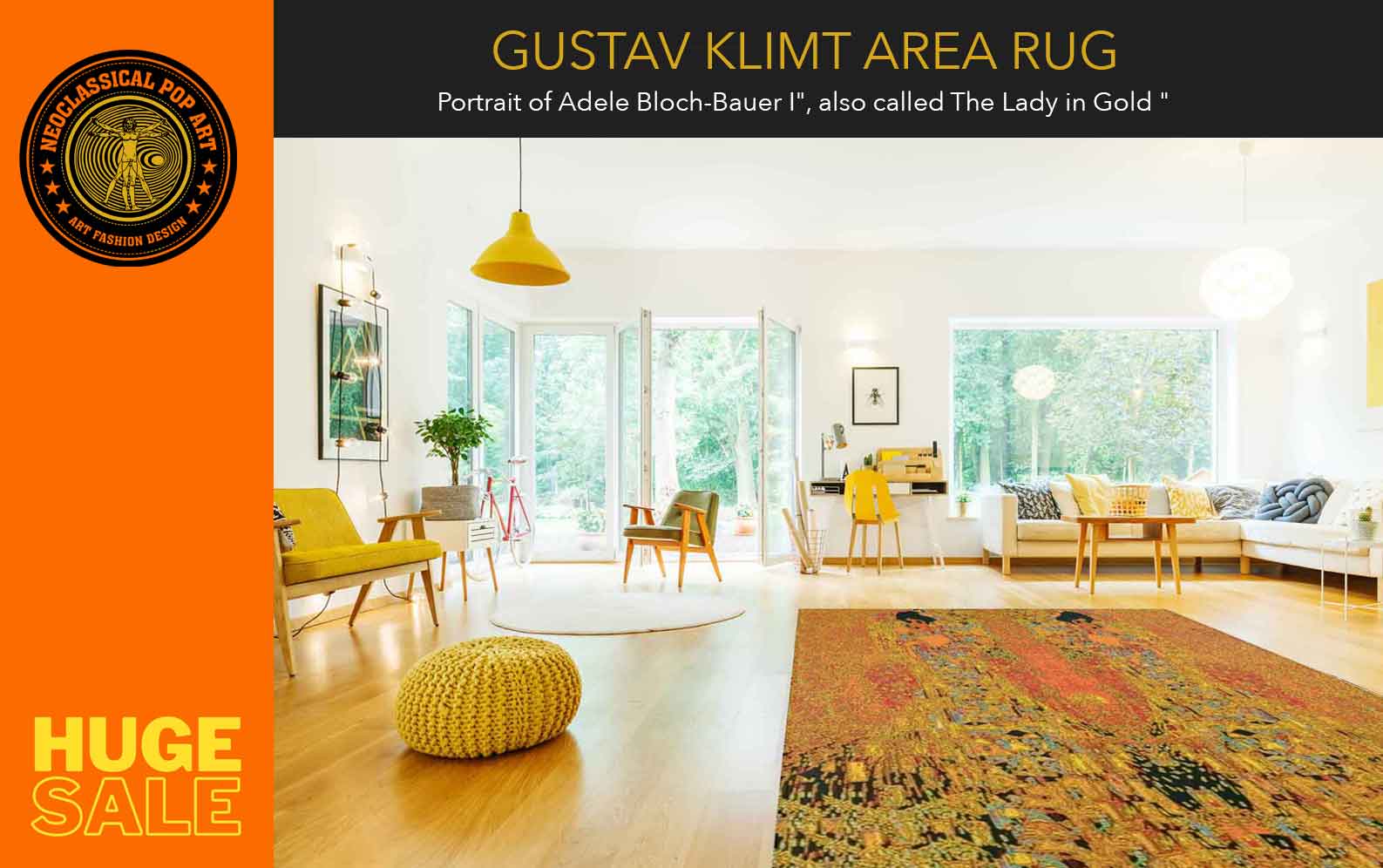
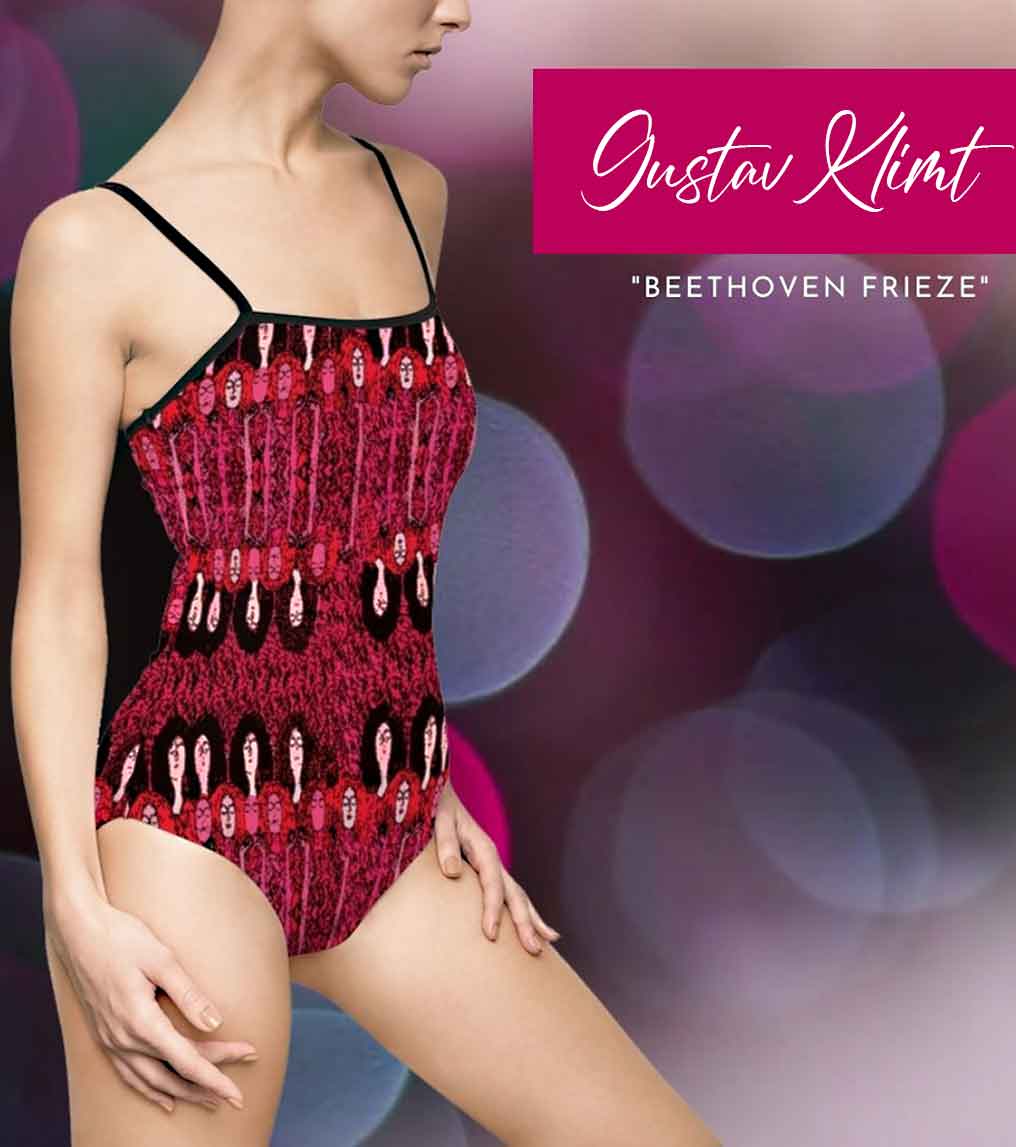
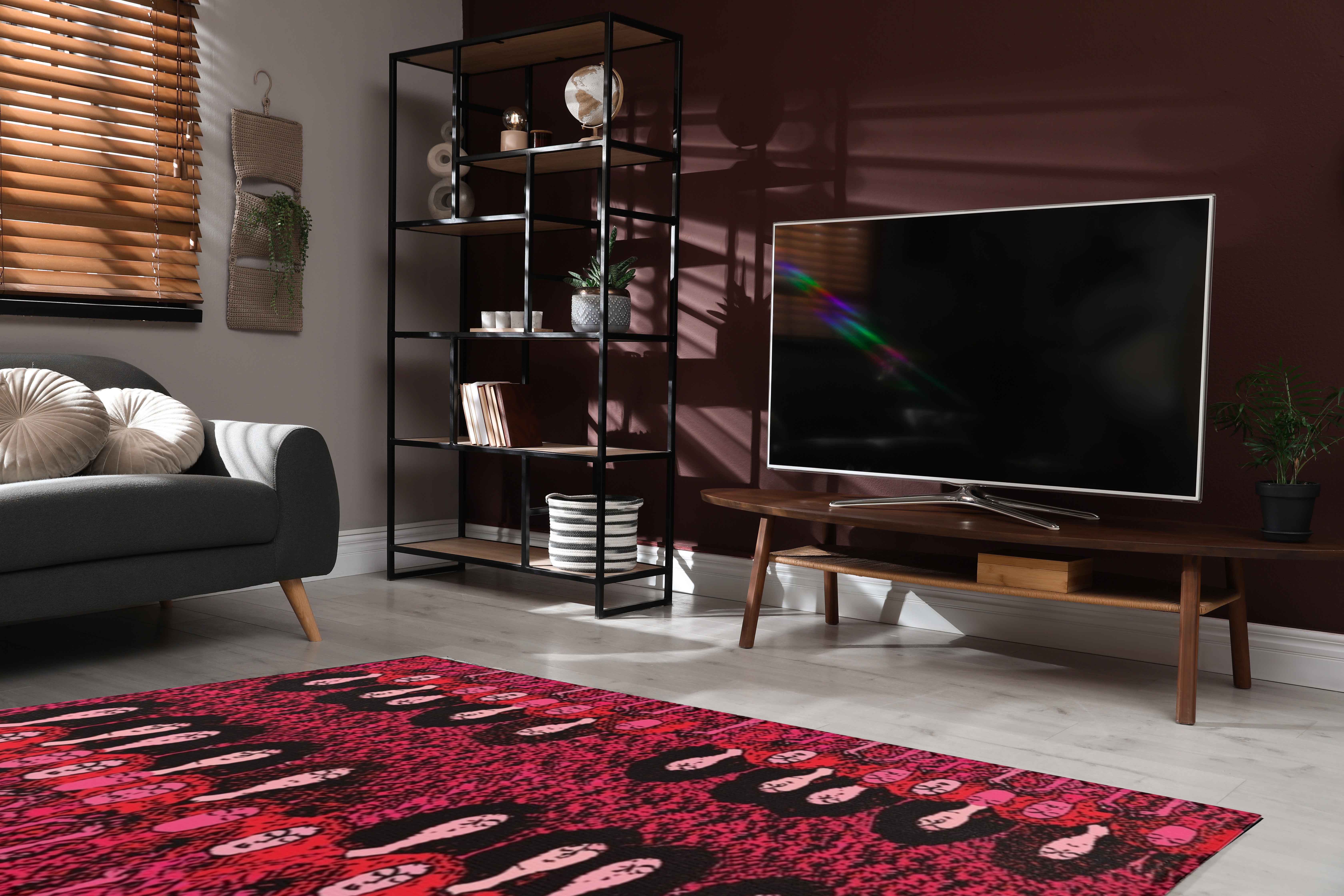
His best-known works include The Kiss (1907–08, Österreichische Galerie Belvedere, Vienna), Portrait of Adele Bloch-Bauer I (1907, Neue Galerie, New York), and the Beethoven Frieze (1902, Secession Building, Vienna). Large ceiling paintings for the University of Vienna were rejected as scandalous and later destroyed in 1945. Klimt also designed for the Wiener Werkstätte and painted landscapes at the Attersee.
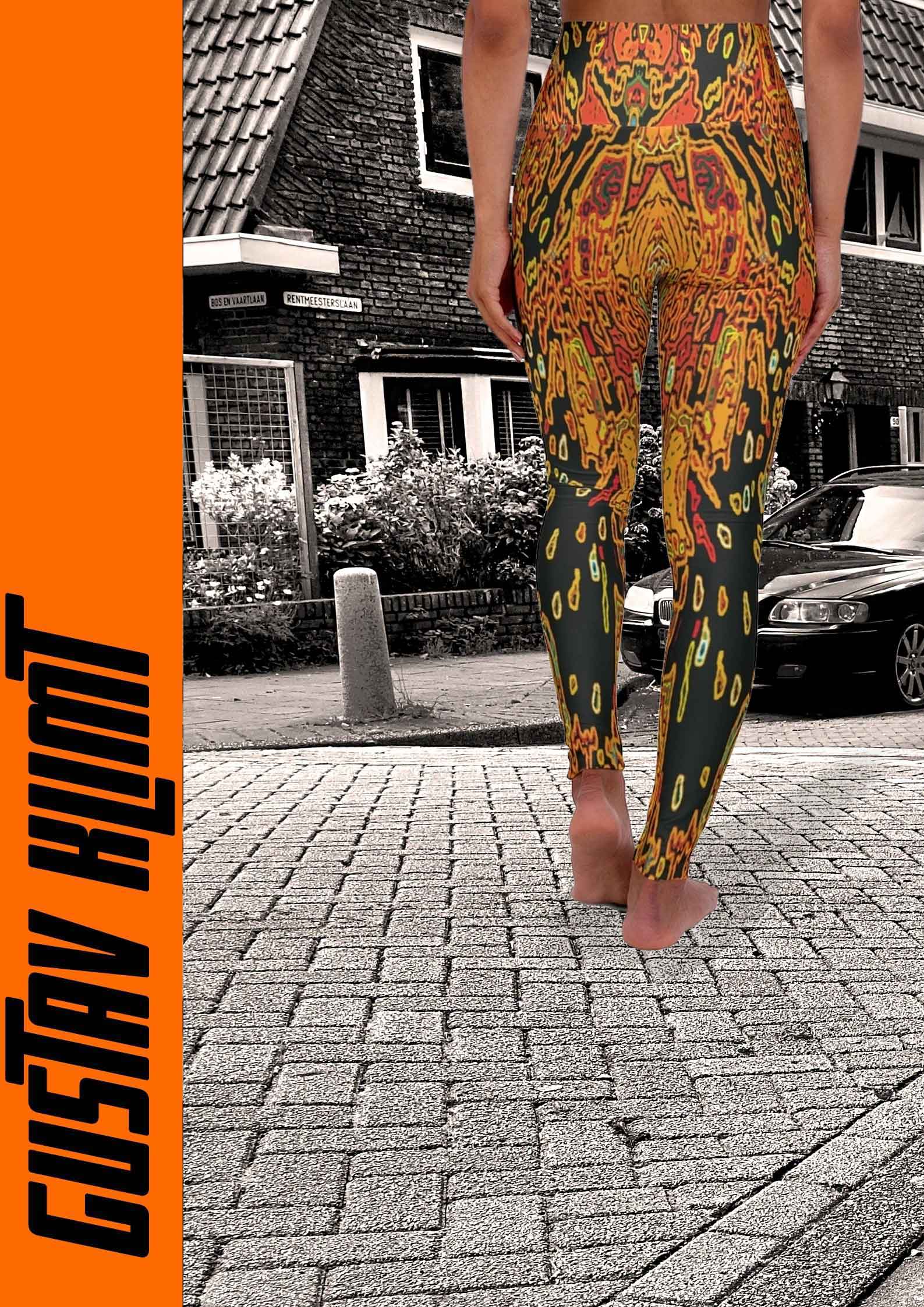
Klimt’s “Golden Phase” fused Symbolist allegory with ornamental gold leaf, treating the female figure as both portrait and emblem. His decorative intensity and frank eroticism marked a break with academic naturalism and remain central to the visual identity of fin-de-siècle Vienna.