







Leonardo di ser Piero da Vinci was born in Vinci, near Florence, and apprenticed to Andrea del Verrocchio. He worked for the Sforza in Milan, returned to Florence, served Cesare Borgia briefly, and spent late years in Rome and at the French court of Francis I. Painter, engineer, anatomist, and theorist, he left more unfinished projects than completed panels. He died at Clos Lucé, Amboise, in 1519.
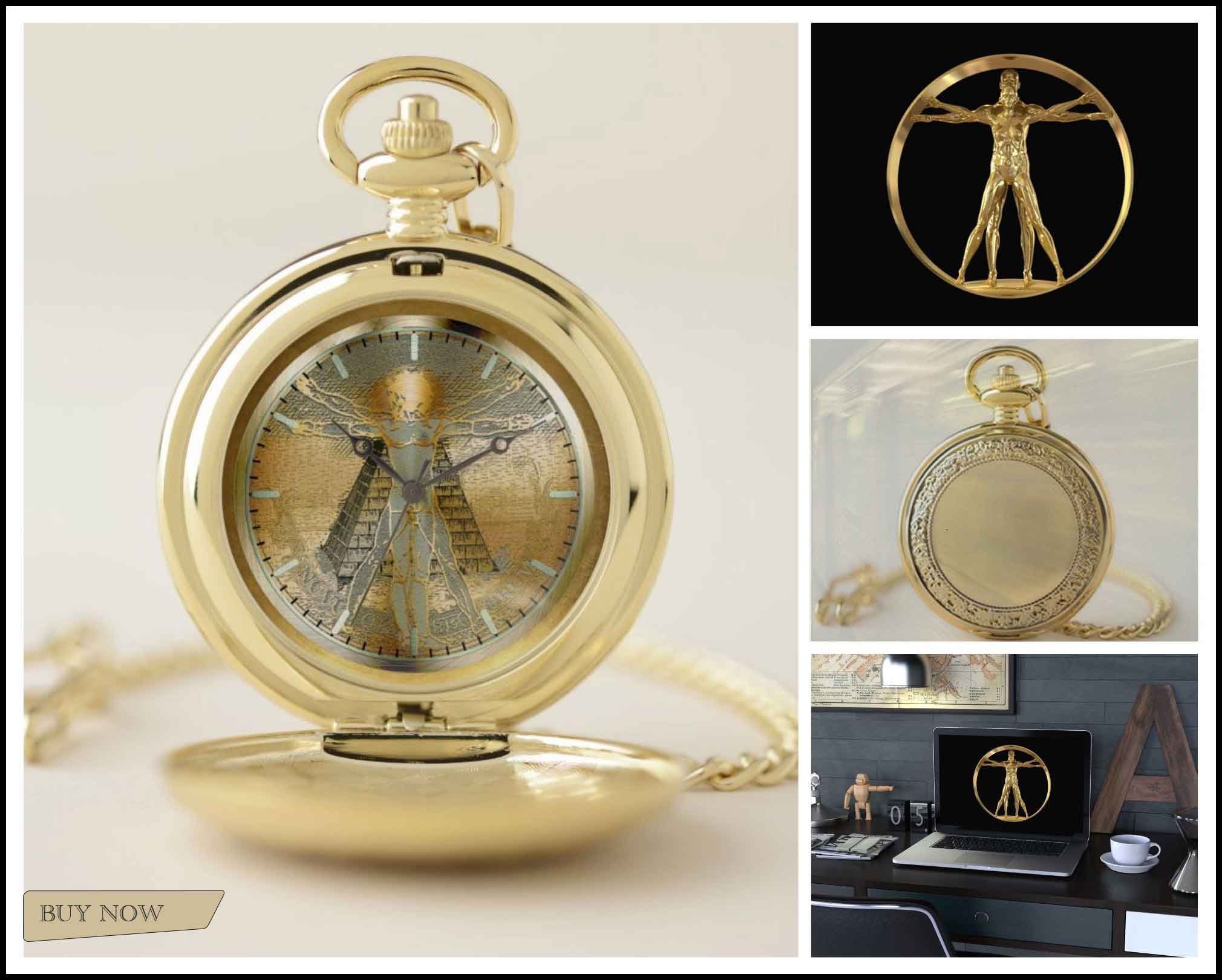
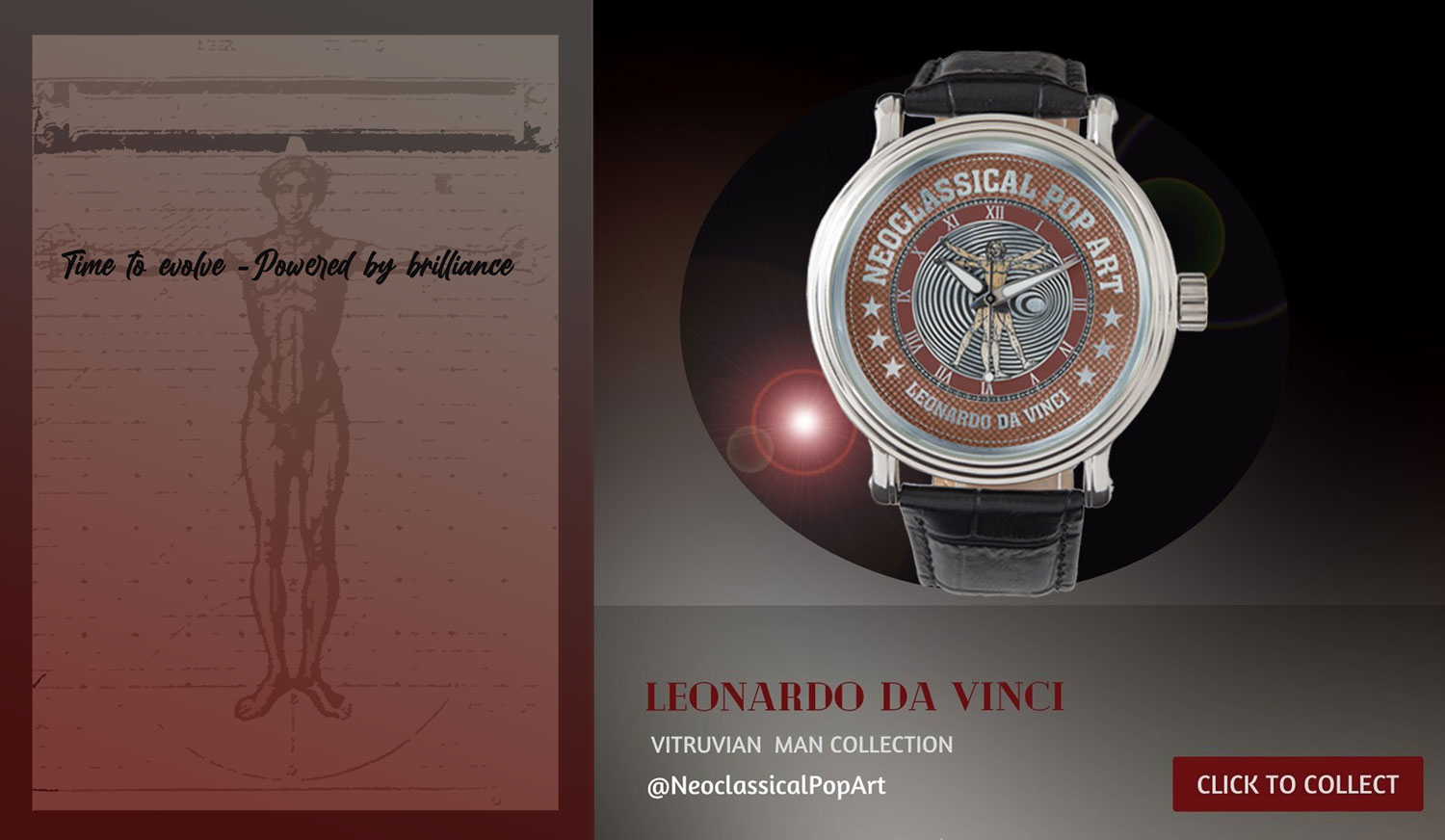
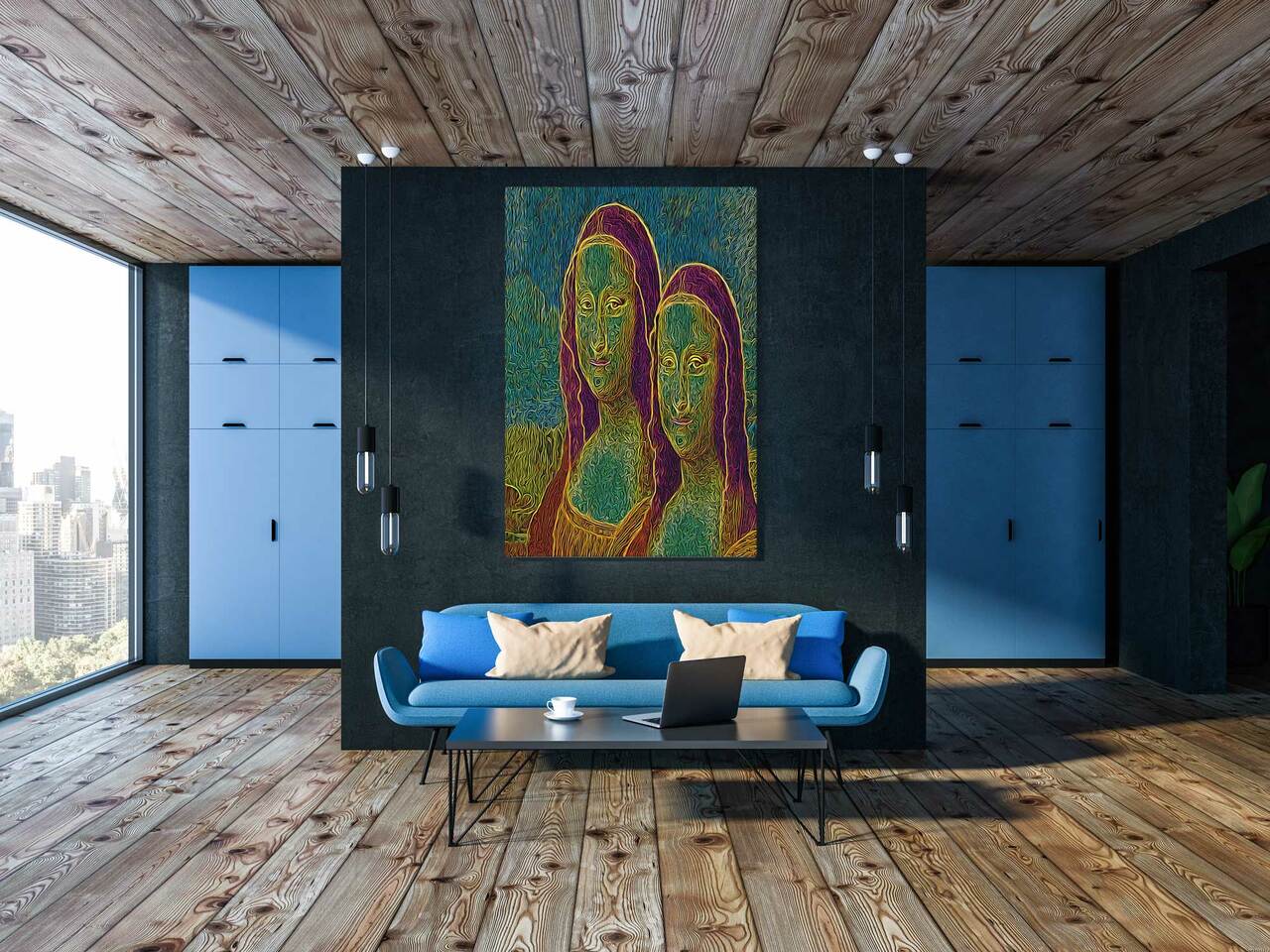
Among surviving paintings are the Mona Lisa (c. 1503–19; Louvre, Paris), The Last Supper (c. 1495–98; Santa Maria delle Grazie, Milan), Lady with an Ermine (c. 1489–91; Czartoryski Museum, Kraków), the Virgin of the Rocks (versions in the Louvre and the National Gallery, London), and the Madonna Litta (c. 1490; Hermitage, St Petersburg), whose attribution to Leonardo and/or his workshop remains debated. The Hermitage attributes the Madonna Litta to Leonardo, while some scholars give it to a pupil such as Giovanni Antonio Boltraffio or Marco d’Oggiono. Drawings such as the Vitruvian Man (c. 1490; Gallerie dell’Accademia, Venice) record his study of proportion.
Leonardo’s soft transitions of tone (sfumato), close observation of nature, and fusion of art with scientific inquiry defined High Renaissance ideals. Few finished works survive, yet their influence on portraiture, composition, and the status of the artist has been continuous.