4 of 4 Items
4 of 4 Items


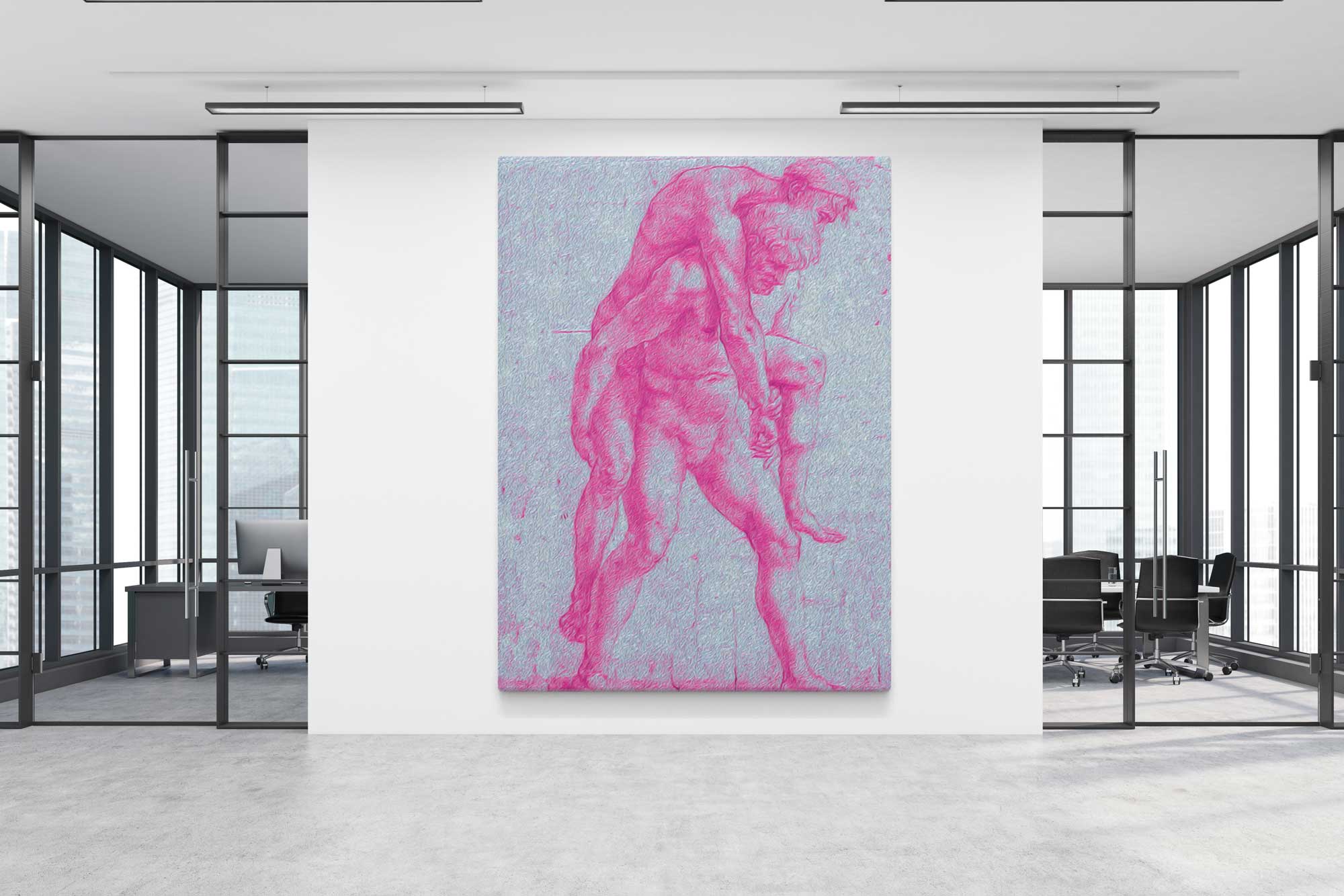
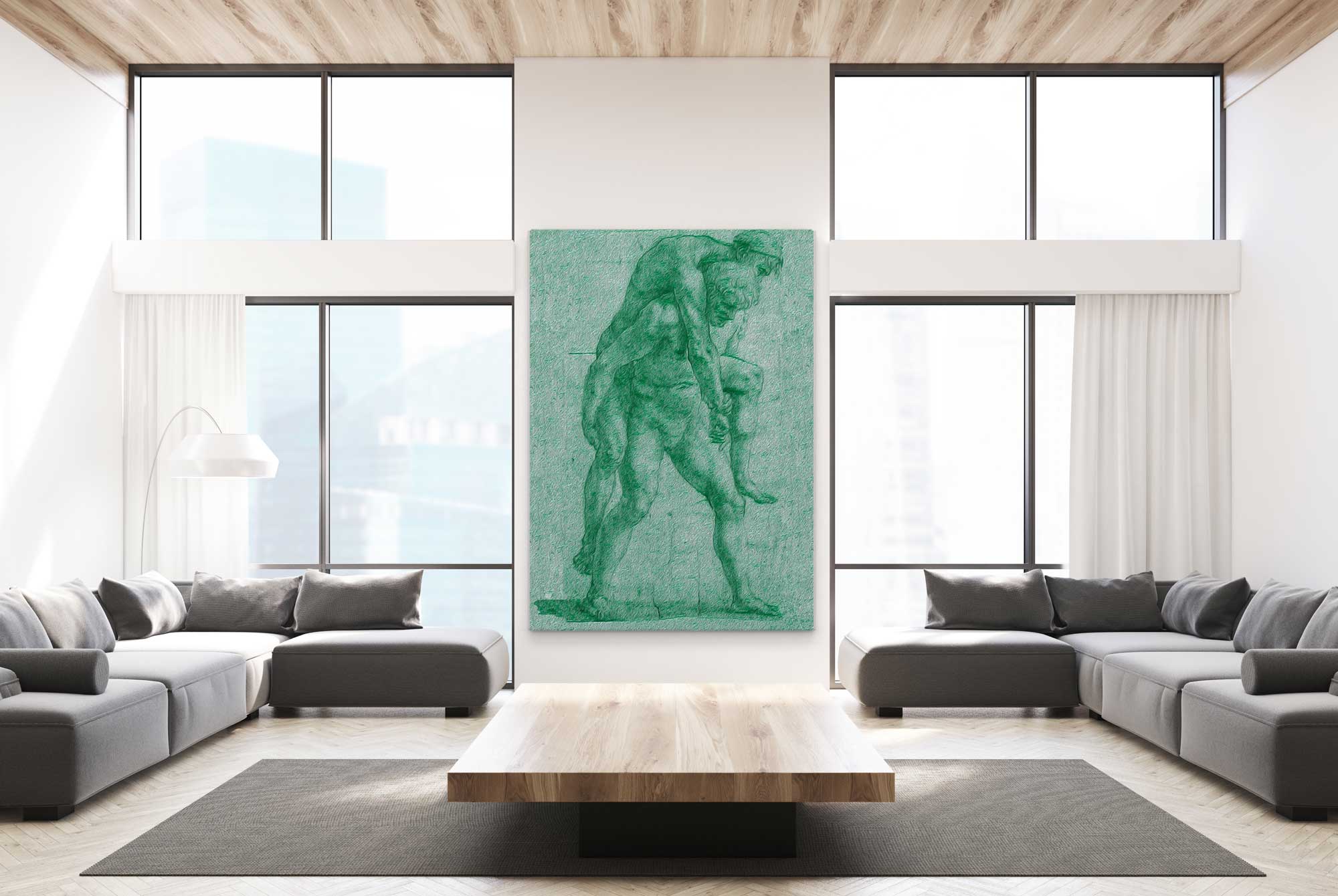
Raffaello Sanzio was born in Urbino, where his father Giovanni Santi was a court painter. After early training there he worked in Perugino’s orbit, absorbing Umbrian clarity of design before settling in Florence—where he studied Leonardo and Michelangelo—and then in Rome. Papal commissions under Julius II and Leo X placed him at the centre of High Renaissance Rome alongside those peers and the architect Bramante. Vasari later praised the sweetness and ease of his manner as the measure of perfected art.
Major works include the Vatican Stanze frescoes, above all The School of Athens (c. 1509–11, Apostolic Palace), the Sistine Madonna (c. 1512–13, Gemäldegalerie Alte Meister, Dresden), and the unfinished Transfiguration (1516–20, Vatican Museums). His Madonnas and portraits—such as La Donna Velata (c. 1512–15, Palazzo Pitti, Florence)—balance ideal form with measured observation of character.
Raphael’s gift was harmony: lucid composition, graceful contour, and a persuasive ideal of beauty that later academies treated as a model of classical perfection. His large workshop and designs for tapestries, architecture, and decorative schemes carried that influence across Europe long after his death at thirty-seven.