

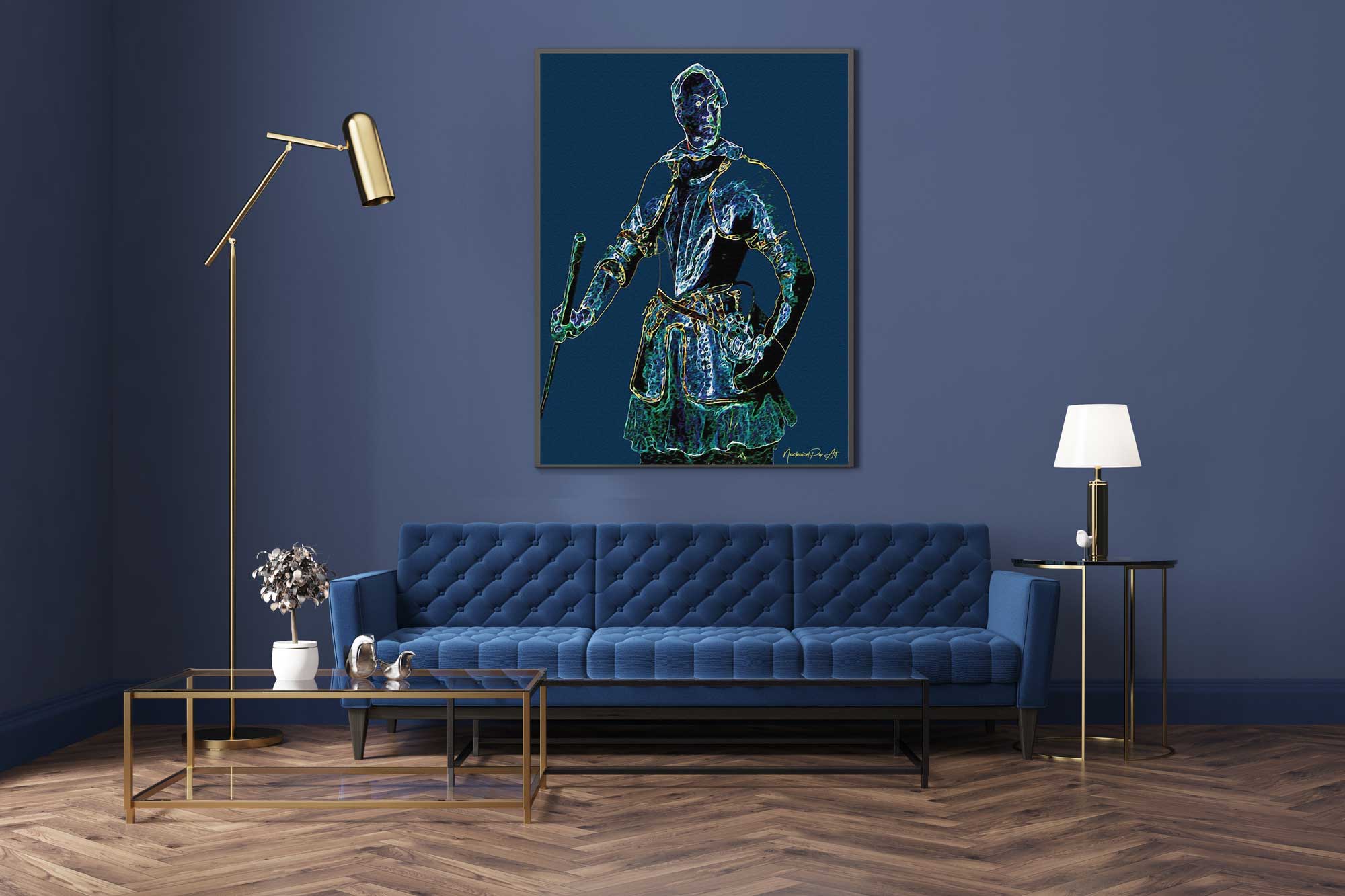


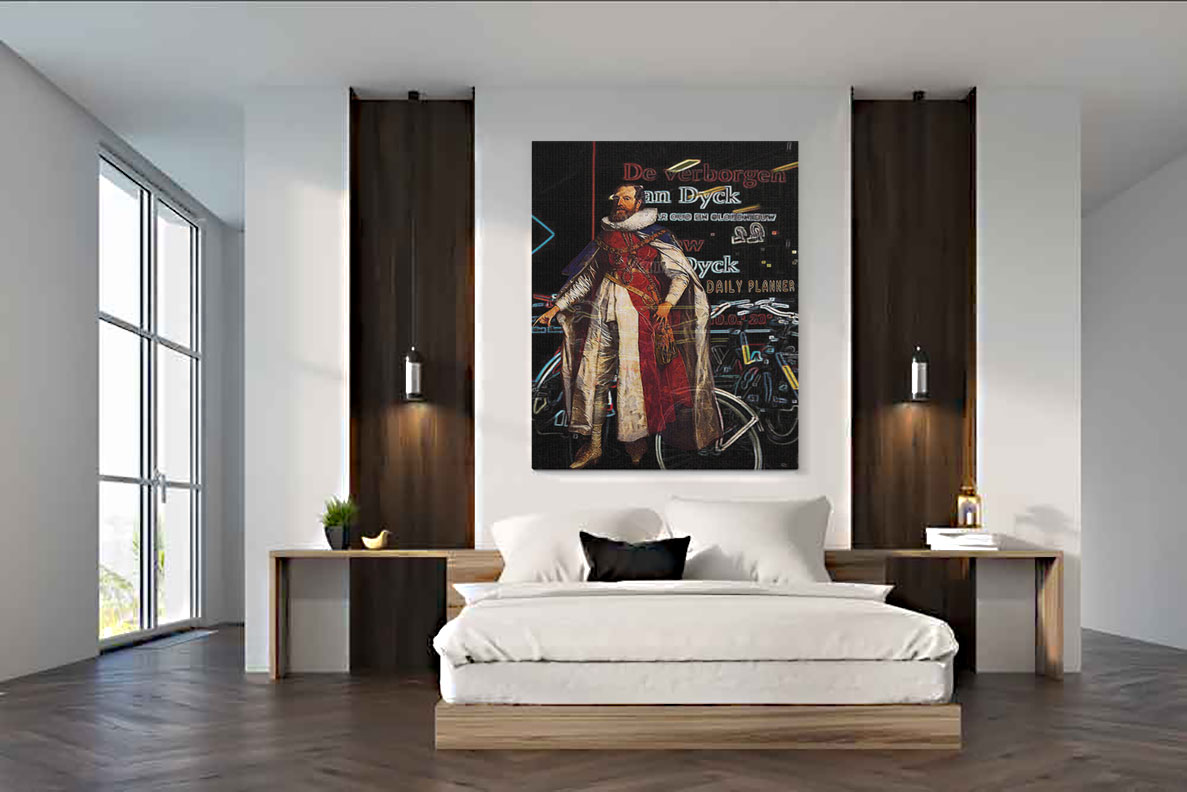



Anthony van Dyck was born in Antwerp and was an accomplished painter by his mid-teens. He entered Rubens’s studio as a chief assistant, absorbing the master’s compositional energy while developing a leaner elegance of his own. Periods in Italy (notably Genoa) refined his aristocratic portrait style before he settled in England as principal painter to Charles I, who knighted him in 1632. English sitters prized his speed, flattery, and silvery finish.
Essential works include Genoese portraits such as those in the National Gallery of Art, Washington, and the Frick Collection, New York; English court images including Charles I in Three Positions (1635–36, Royal Collection) and Equestrian Portrait of Charles I (c. 1637–38, National Gallery, London); and religious canvases such as early Antwerp altarpieces and later court allegories. Further major portraits and mythologies are held in the Louvre, Paris, and the Prado, Madrid.
Van Dyck set the template for European court portraiture: elongated grace, silvery colour, and an air of cultivated ease. Gainsborough, Reynolds, and later British portraitists worked in his shadow for more than a century.