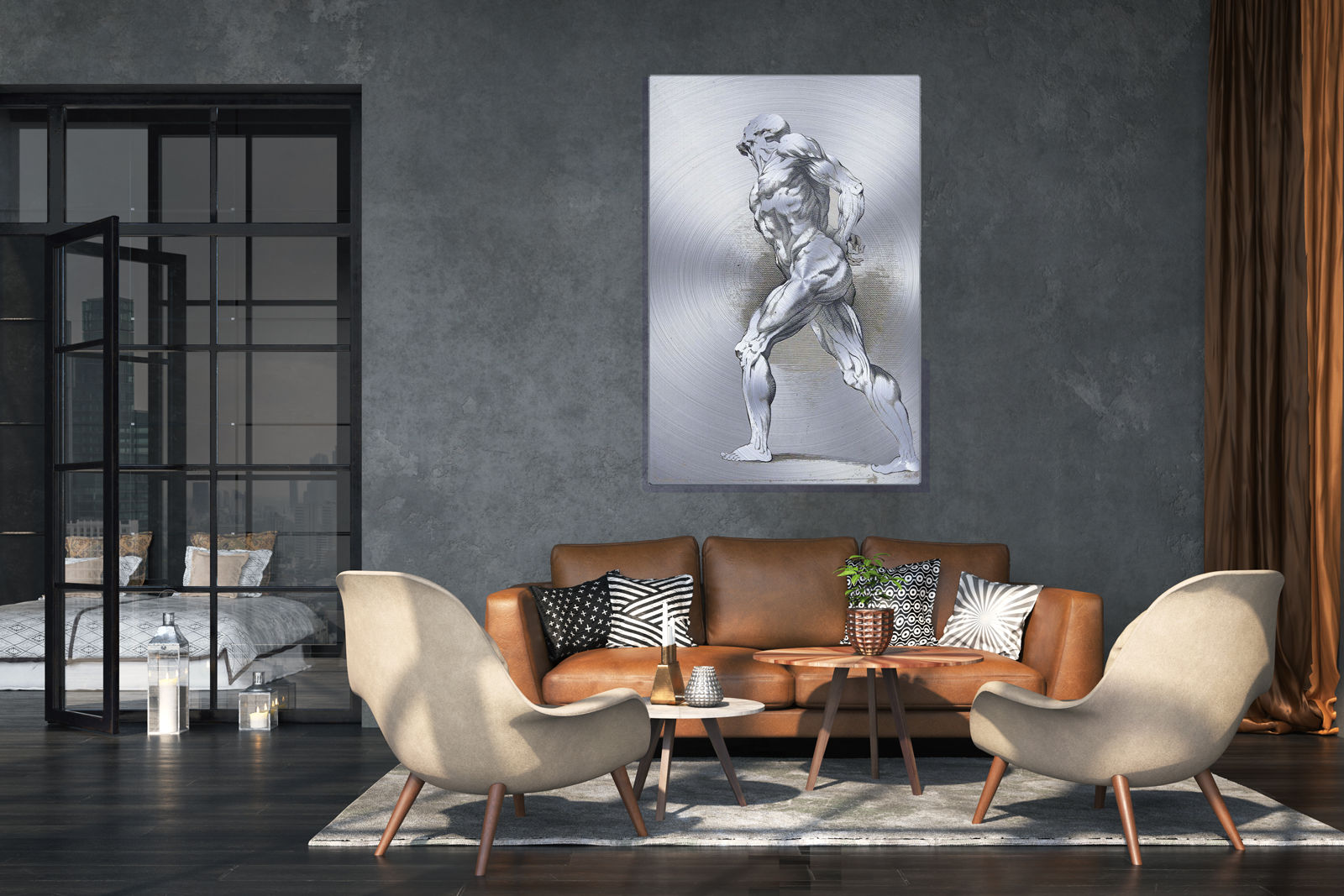






Peter Paul Rubens was born in Siegen and raised in Antwerp after his family’s return from exile. He trained with Tobias Verhaecht, Adam van Noort, and Otto van Veen, then spent nearly a decade in Italy (1600–1608) studying antique sculpture and Venetian colour, especially Titian and Veronese. Back in Antwerp he ran a large workshop that supplied churches, courts, and collectors across Europe; he also served as a diplomat and was knighted by Philip IV of Spain and Charles I of England.
Major works include the Antwerp Cathedral triptychs The Elevation of the Cross (1610–11) and The Descent from the Cross (1612–14), and the Marie de’ Medici cycle (1622–25, Musée du Louvre, Paris). Mythological and portrait canvases such as The Garden of Love (c. 1633, Prado, Madrid) show his later, freer manner.
Rubens defined Flemish Baroque painting: dynamic diagonals, luminous flesh, and a fusion of Italian grandeur with Northern detail. His studio model and diplomatic career made him the era’s “painter of princes,” and his influence reached van Dyck, Watteau, Delacroix, and beyond.