9 of 9 Items
9 of 9 Items




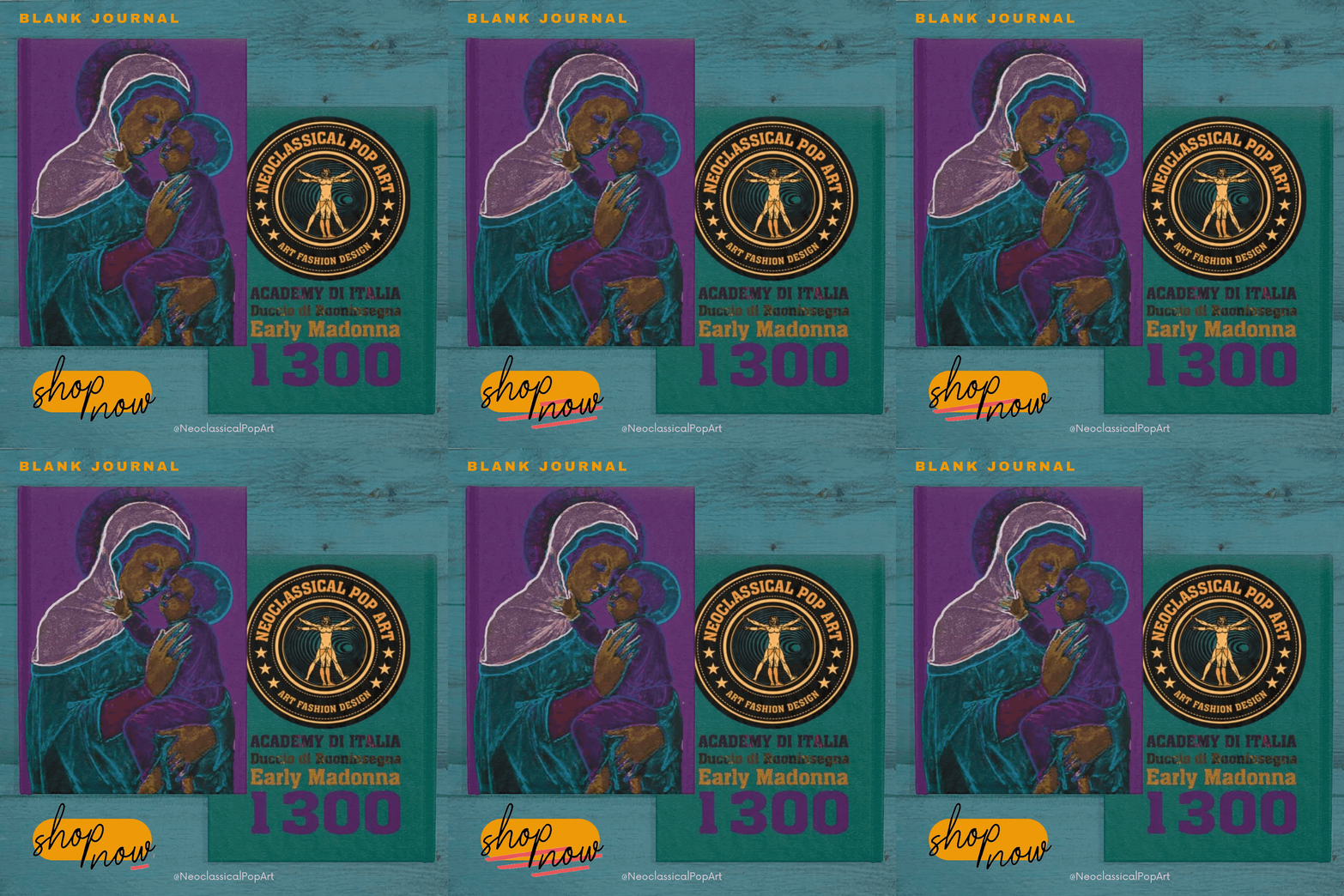

Duccio di Buoninsegna was the leading painter of Siena at the turn of the fourteenth century. Trained in a Byzantine-influenced local tradition, he absorbed newer spatial and narrative ideas from Florence and, likely, from French Gothic art. He worked for civic and religious patrons in Siena and beyond; surviving payments and the great cathedral commission mark his standing in the city. He died around 1318 or 1319.
His masterpiece is the double-sided Maestà altarpiece for Siena Cathedral (1308–11), now largely in the Museo dell’Opera del Duomo, Siena, with dispersed panels in the National Gallery, London, the National Gallery of Art, Washington, and other museums. Earlier work includes the Rucellai Madonna (1285; Uffizi Gallery, Florence). Small narrative scenes from the Maestà—including Annunciation panels—show his gift for intimate storytelling on gold ground.
Duccio softened Byzantine frontality with tender faces, rhythmic drapery, and clearer multi-scene narrative. He gave Sienese painting its lyrical colour and refined gold-ground finish. That style shaped Sienese art for generations and stands beside Giotto as a foundation of Italian painting. Panels cut from the Maestà still anchor Sienese rooms in major museums.