4 of 4 Items
4 of 4 Items





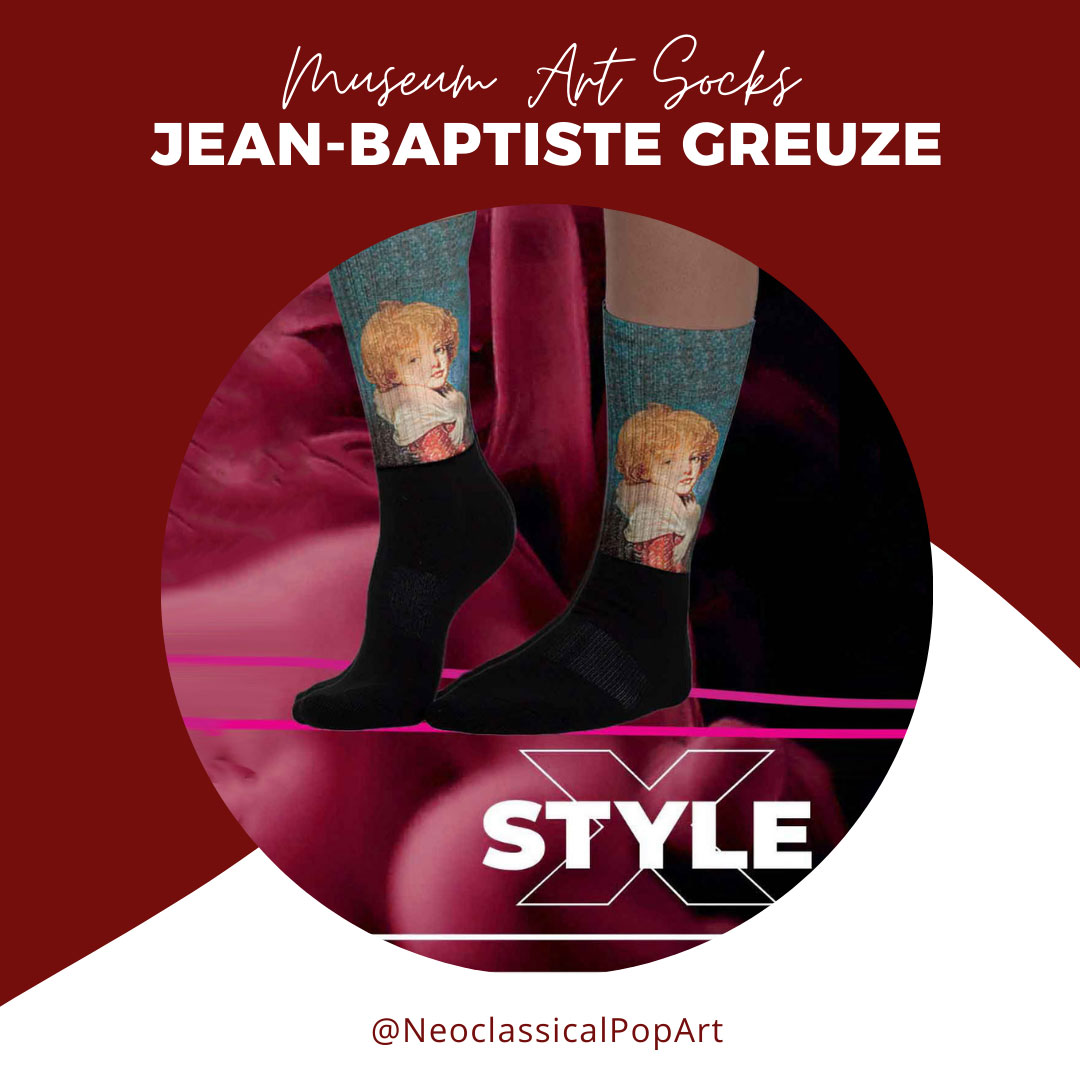
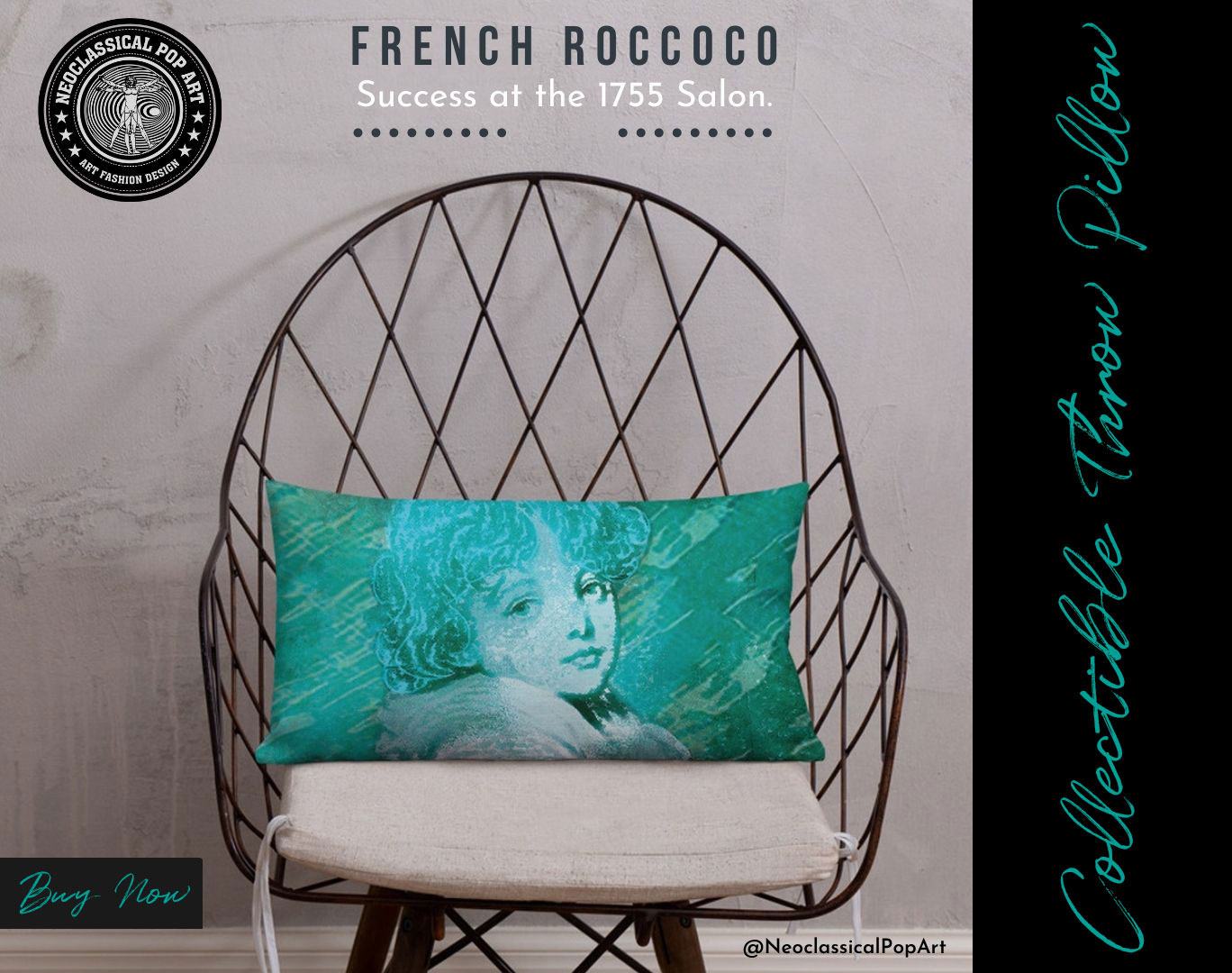
Jean-Baptiste Greuze was born in Tournus, Burgundy, and trained in Lyon before entering the Académie royale in Paris. He made his name in the 1750s and 1760s with moralising genre scenes praised by Diderot, then sought recognition as a history painter—an ambition the Academy largely refused. Fashionable portraits and “expressive head” studies of young women sustained his reputation; the Revolution and shifting taste clouded his late years. He died in Paris in 1805.
Well-known pictures include The Village Bride (L’Accordée de village, 1761; Louvre, Paris), Filial Piety (La Piété filiale, 1763; State Hermitage Museum, St Petersburg), The Broken Pitcher (c. 1771; Louvre), and numerous studies of young women under titles such as Innocence in the Louvre, the Wallace Collection, London, and other museums. Portraits of contemporaries are widely distributed.
Greuze combined Dutch-inspired domestic narrative with French paint handling and clear sentimental drama. His heads of children and young women became a European type for innocence and pathos. That moral genre stood between Rococo society painting and later Neoclassical seriousness. Reproductive prints helped fix those expressive heads in popular taste well beyond Paris.