1 of 1 Items
1 of 1 Items


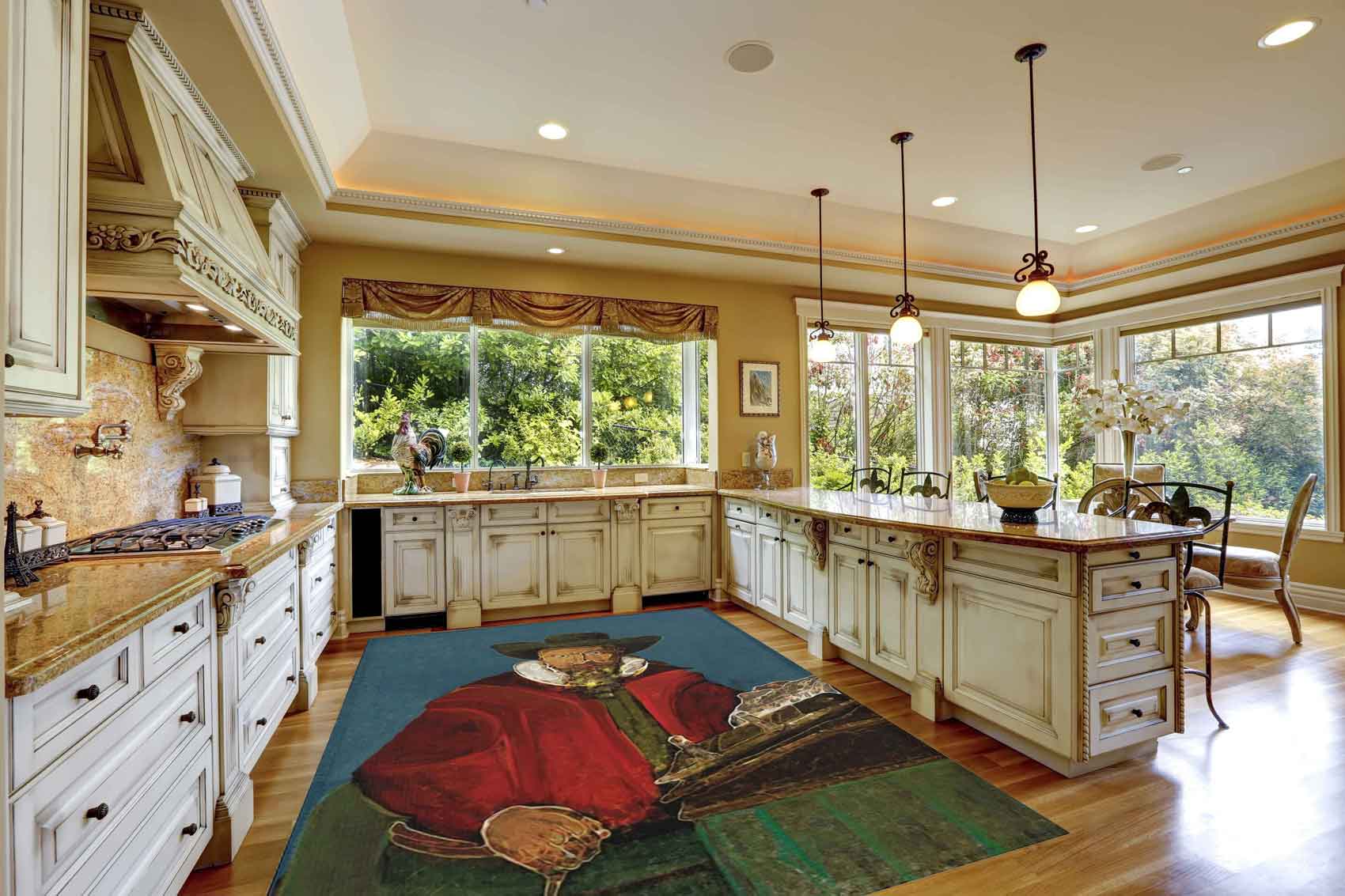


Bartholomeus van der Helst was born in Haarlem and was active chiefly in Amsterdam, where by mid-century he ranked among the city’s most sought-after portraitists. His training is less fully documented than Rembrandt’s, but his early work shows contact with the Amsterdam portrait tradition; later canvases absorb the elegance associated with Anthony van Dyck while keeping a Dutch clarity of costume and setting. Civic guards, regents, and prosperous couples commissioned him for flattering, brightly lit likenesses.
His best-known painting is The Banquet of the Amsterdam Civic Guard in Celebration of the Peace of Münster (1648, Rijksmuseum, Amsterdam), a large group portrait that for generations outshone Rembrandt’s Night Watch in public esteem. Individual portraits and family groups by him are held in the Rijksmuseum, the Amsterdam Museum, and collections abroad including the National Gallery, London, and the Louvre, Paris.
Van der Helst offered Amsterdam an alternative to Rembrandt’s darker introspection: smooth finish, clear daylight, and social polish. That accessible grandeur explains his mid-century popularity and his place in the story of Dutch Golden Age portraiture.