

Tina Turner: The Voice Within
Priya N. Chen on 1st Nov 2026


Tina Turner: The Voice Within
Light catches the curved sequins of Tina Turner's dark dress. In Iris Schneider's photograph from the 1985 Grammy Awards, her smile is as expansive as the hair framing it. I am drawn to the energy of that public image. Turner's accounts of singing and chanting open another way into the voice we associate with it.

Speaking to Andrea Miller in 2011, Turner described chanting through sound and rhythm. She also recalled her grandmother humming: a small, intimate sound that stayed with her. For Turner, spiritual practice belonged within the life of a singer. Repetition, attention and the voice were part of how she described finding greater clarity and a renewed sense of herself.
A voice shared: Beyond
Beyond: Buddhist and Christian Prayers (2009) brought Turner together with Swiss musician Regula Curti and Tibetan singer Dechen Shak-Dagsay. The project combined singing and narration, bringing their different religious practices into a musical collaboration.
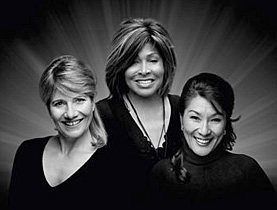
The making of Beyond
In Raymond Lam's 2014 interview, Turner spoke of the pleasure of returning to spiritual songs through the project. Curti and Shak-Dagsay's joint singing, with Turner's narration on the first album, gives each collaborator a place. I read that sharing of roles as a compelling artistic choice: a celebrated voice entering a space that others help to shape.
The differences between them matter. Curti spoke from a Christian practice, Shak-Dagsay from a Tibetan Buddhist one, while Turner practised Soka Gakkai Nichiren Buddhism. Their collaboration becomes more interesting when we hear it as an encounter between particular traditions, each brought by a particular woman.

The practice behind the voice
Soka Gakkai is a lay Buddhist movement rooted in the teachings of Nichiren and the Lotus Sutra. Its central practice is chanting Nam-myoho-renge-kyo, understood within the tradition as a means of bringing forth the wisdom, courage and compassion inherent in life. This is the religious setting of Turner's account of repeated sound and inward change.
Nichiren and the mentors behind her practice
Nichiren (1222–1282) was a Japanese Buddhist monk who placed the Lotus Sutra at the centre of his teaching. Its promise of Buddhahood within every person's life informed a practice undertaken amid ordinary responsibilities and hardship.
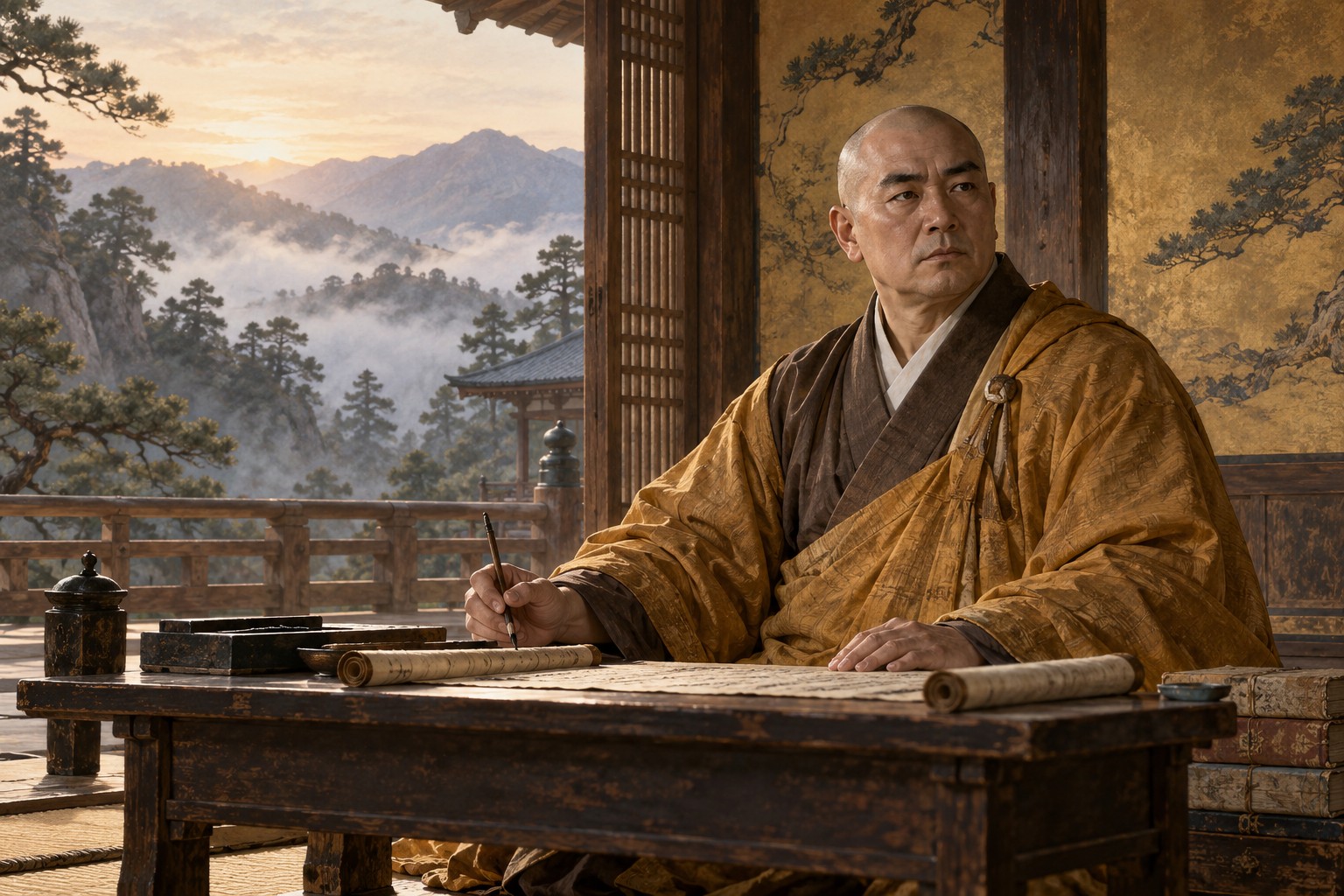
The chant is called daimoku. Myoho-renge-kyo is the Japanese reading of the sutra's Chinese title; nam expresses devotion. Daily practice also includes reciting passages from the sutra. For practitioners, these repeated words connect religious commitment with the way they meet daily life.
The modern movement developed through three founding mentors. Educator Tsunesaburo Makiguchi (1871–1944) founded its predecessor with Josei Toda (1900–1958) in 1930. Toda rebuilt it after the Second World War. His disciple Daisaku Ikeda (1928–2023), the third president, extended its international reach.
Ikeda also held a personal place in Turner's life. In Happiness Becomes You, in an excerpt published by SGI-USA's Buddhability in 2021, she names him as her spiritual mentor and describes guidance that changed her life. Makiguchi and Toda belong to the lineage of her community; Ikeda was someone she personally acknowledged as a teacher.
Ten key teachings and practices
These ten points offer a brief introduction to the tradition Turner practised.
- Inherent Buddhahood. Every person possesses the potential for an awakened life of wisdom, courage and compassion.
- The dignity of life. Respect for one's own life extends to the worth and potential of other people.
- The Lotus Sutra. This scripture grounds the teaching that enlightenment is open to everyone.
- Chanting daimoku. Repeating Nam-myoho-renge-kyo is the central practice for bringing forth one's Buddha nature.
- The Gohonzon. Practitioners chant before an inscribed mandala that serves as an object of devotion reflecting inherent Buddhahood.
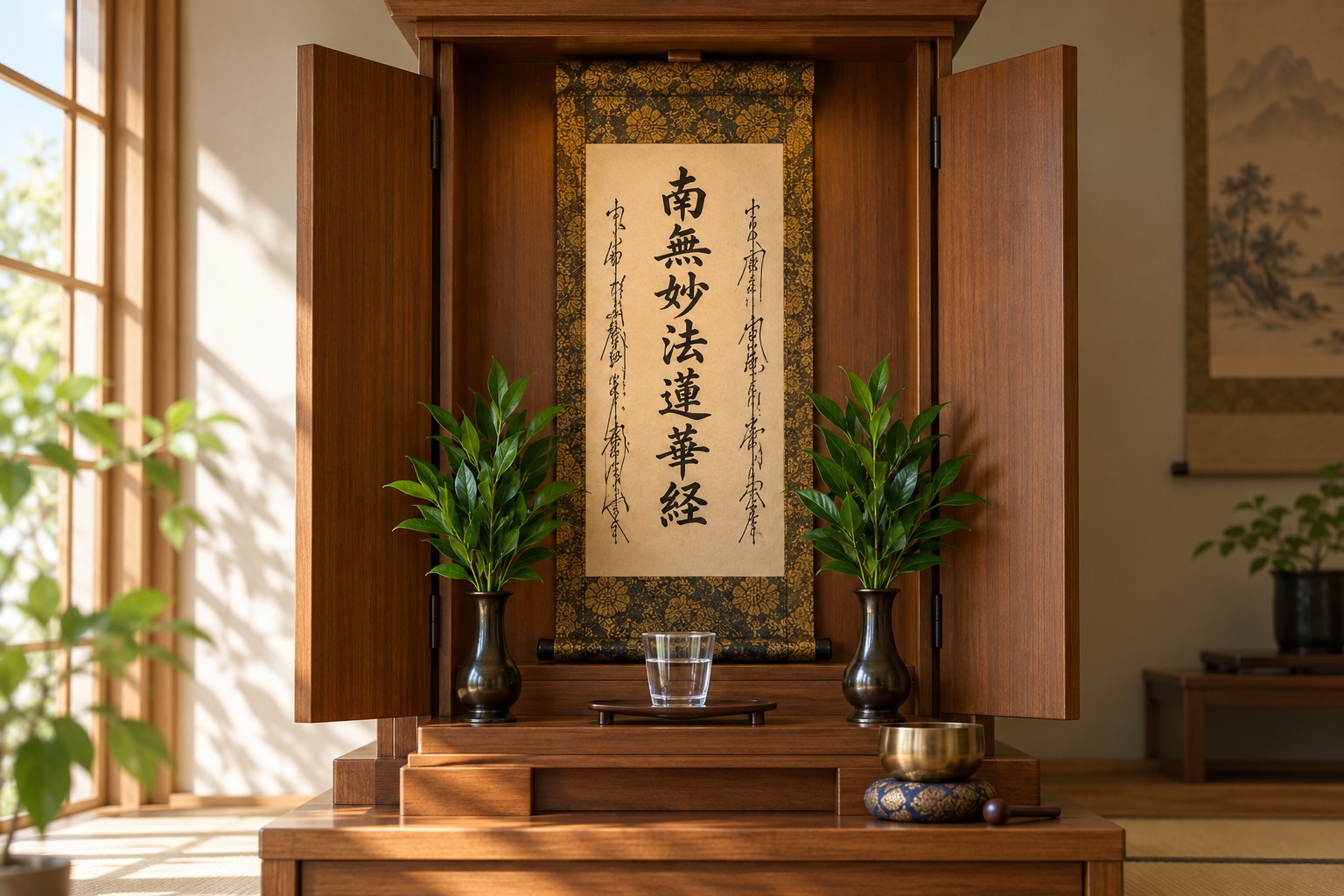
A Gohonzon altar with an inscribed scroll enshrined in a wooden cabinet, greenery, water and a bell; an artistic interpretation reimagined by Neoclassical Pop Art - Faith, practice and study. Religious commitment, sustained action and learning are developed together.
- The Ten Worlds. Life contains changing conditions, from profound suffering to Buddhahood; these possibilities exist within each person.
- Transforming karma. The tradition teaches that present practice and action can change deeply established patterns and one's future direction.
- Transforming desires and suffering. Ordinary struggles can become opportunities for wisdom and growth within daily life.
- Happiness for oneself and others. Personal development is joined to compassionate action and efforts toward a peaceful society.
Returning to the music
In a conversation later republished by SGI-USA in 2023, Turner said she did not separate spiritual practice from her rock career. Her account joins chanting, study and helping others to the tenacity she already brought to performance. It lets us place the public image and the spiritual collaboration within the same artistic life.
I find that continuity more revealing than a division between the star and the spiritual person. In Beyond, the voice known to so many listeners takes part in a shared undertaking. Turner's words offer one way to understand that choice: attention cultivated through practice, then carried into the work of meeting others through music.
Join Neoclassical Pop Art daily take on the arts, the weekly letter, and first word on product launches, sales, and free gifts.