9 of 9 Items
9 of 9 Items




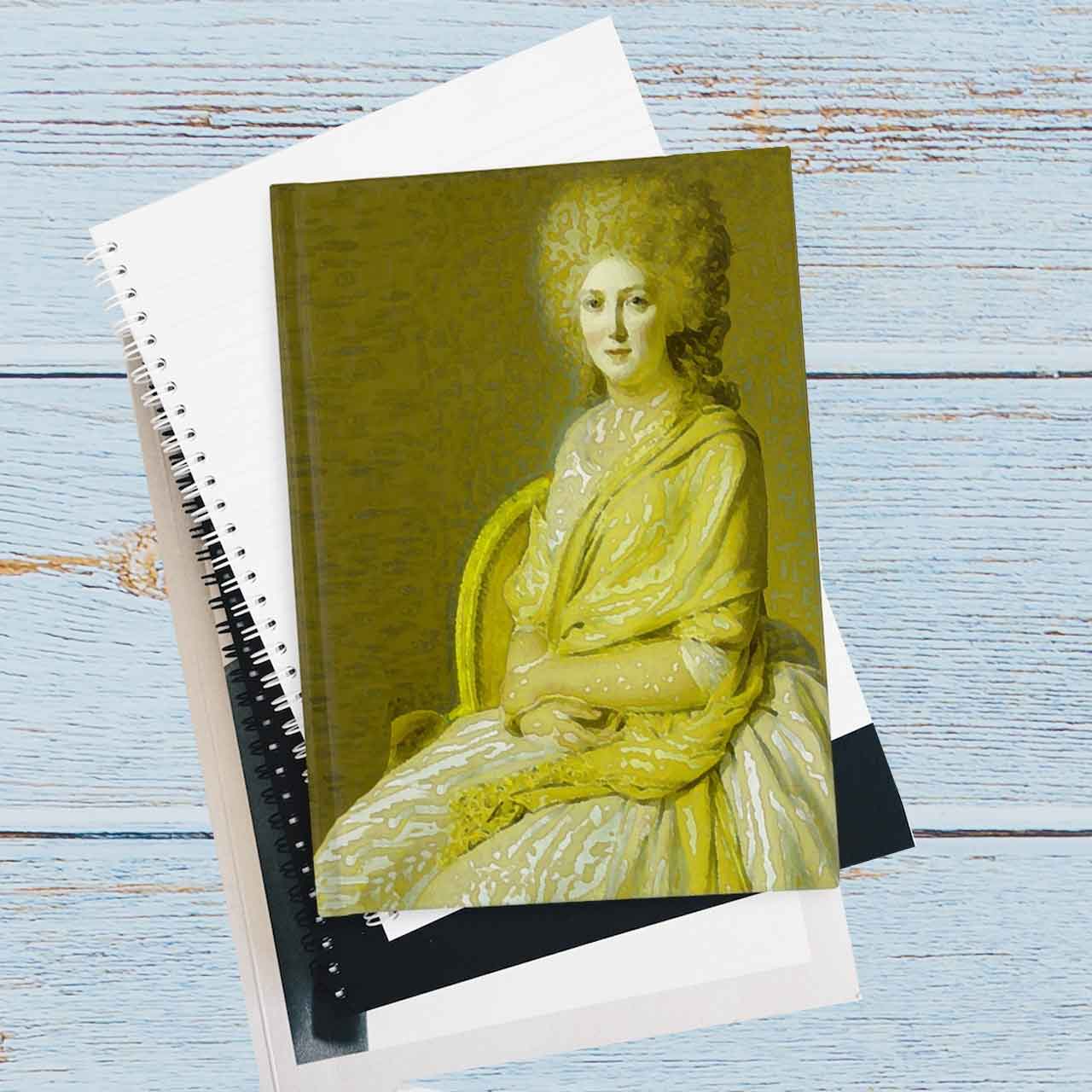

Jacques-Louis David was born in Paris and trained under Joseph-Marie Vien before winning the Prix de Rome in 1774. Extended study in Italy of antique sculpture and of Poussin shaped the severe classicism that made him the chief painter of French Neoclassicism. He taught a large studio—Ingres among his pupils—and served as artistic spokesman of the Revolution and later as painter to Napoleon. After the Bourbon restoration he lived in exile in Brussels, where he died in 1825.
Key works include The Oath of the Horatii (1784; Louvre, Paris), The Death of Socrates (1787; Metropolitan Museum of Art, New York), The Death of Marat (1793; Royal Museums of Fine Arts of Belgium, Brussels), and The Coronation of Napoleon (1805–07; Louvre). Portraits of Madame Récamier and of court and family sitters apply the same firm drawing to contemporary life.
David replaced Rococo softness with hard contour, sculptural modelling, and moral subjects drawn from Roman history. He turned history painting into a public language of civic virtue and imperial ceremony. That clarity of form and narrative remained a standard for academic painting through the nineteenth century.