



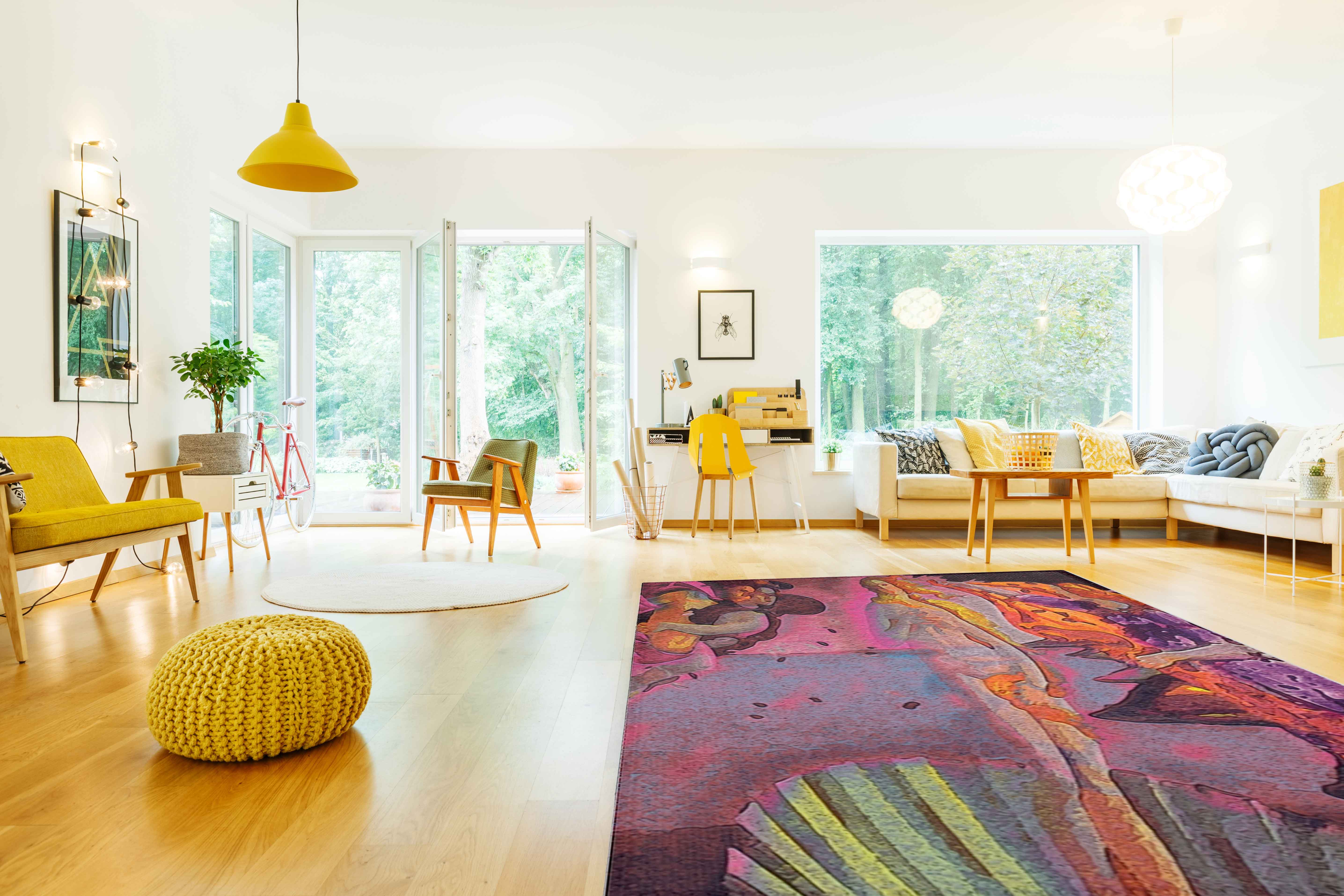
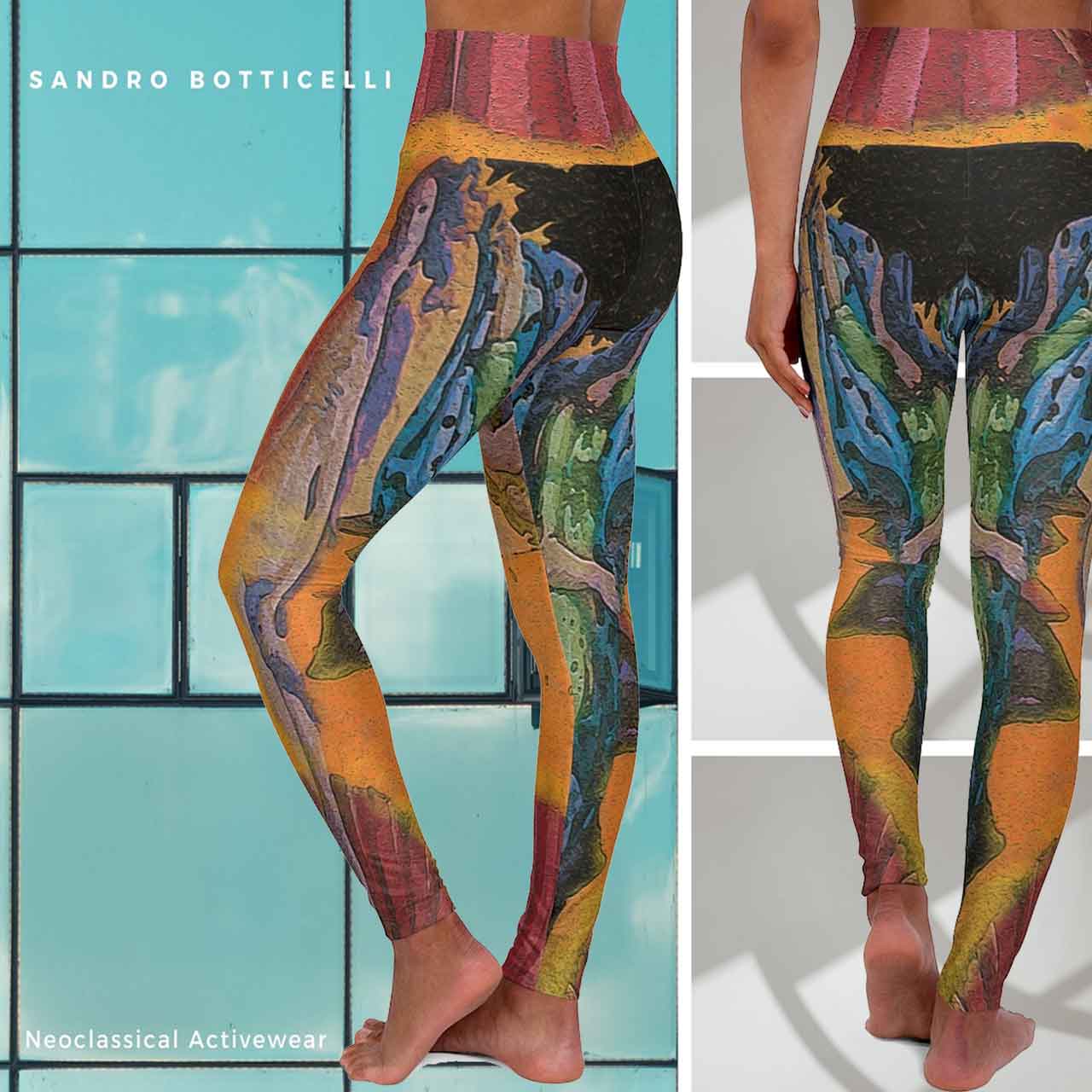

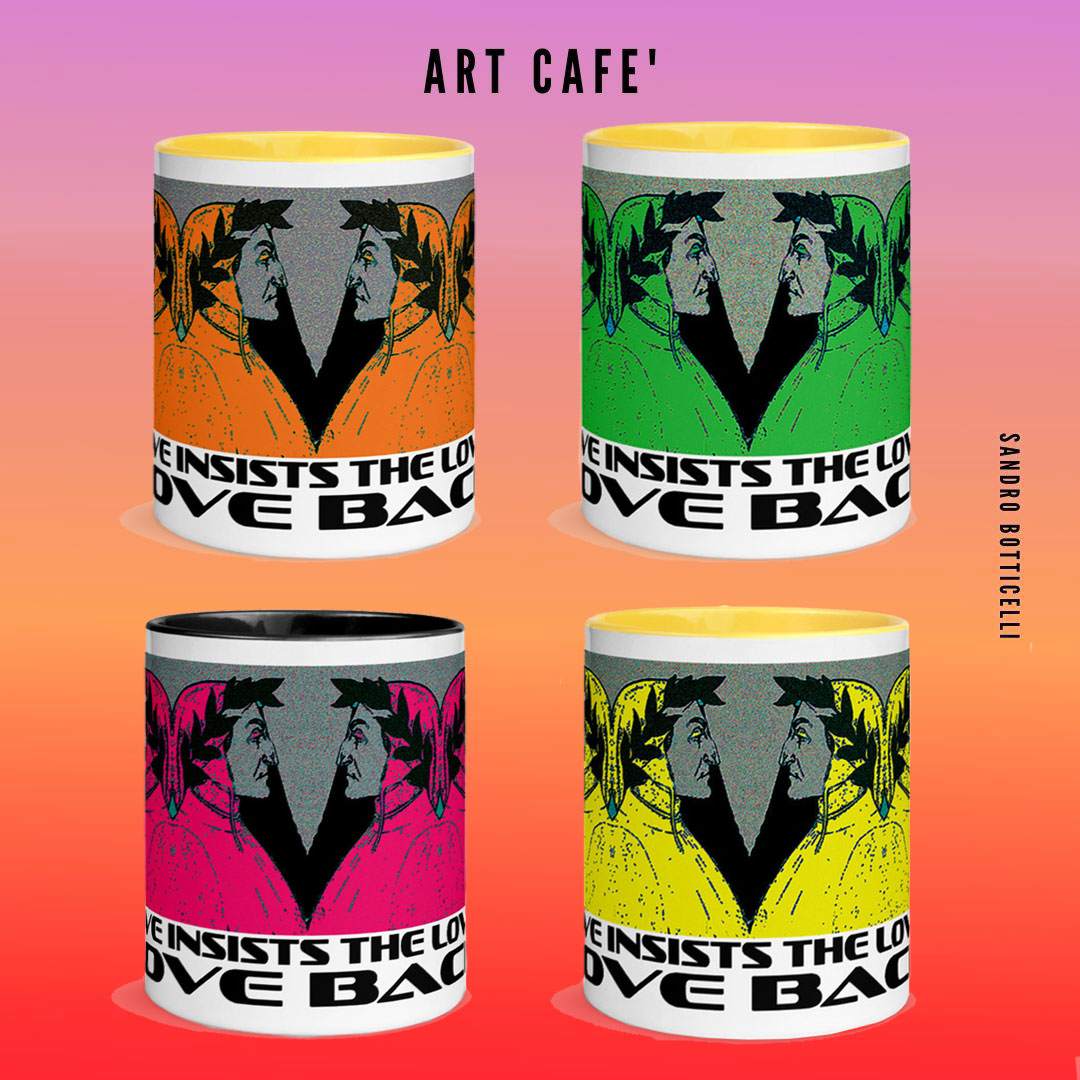

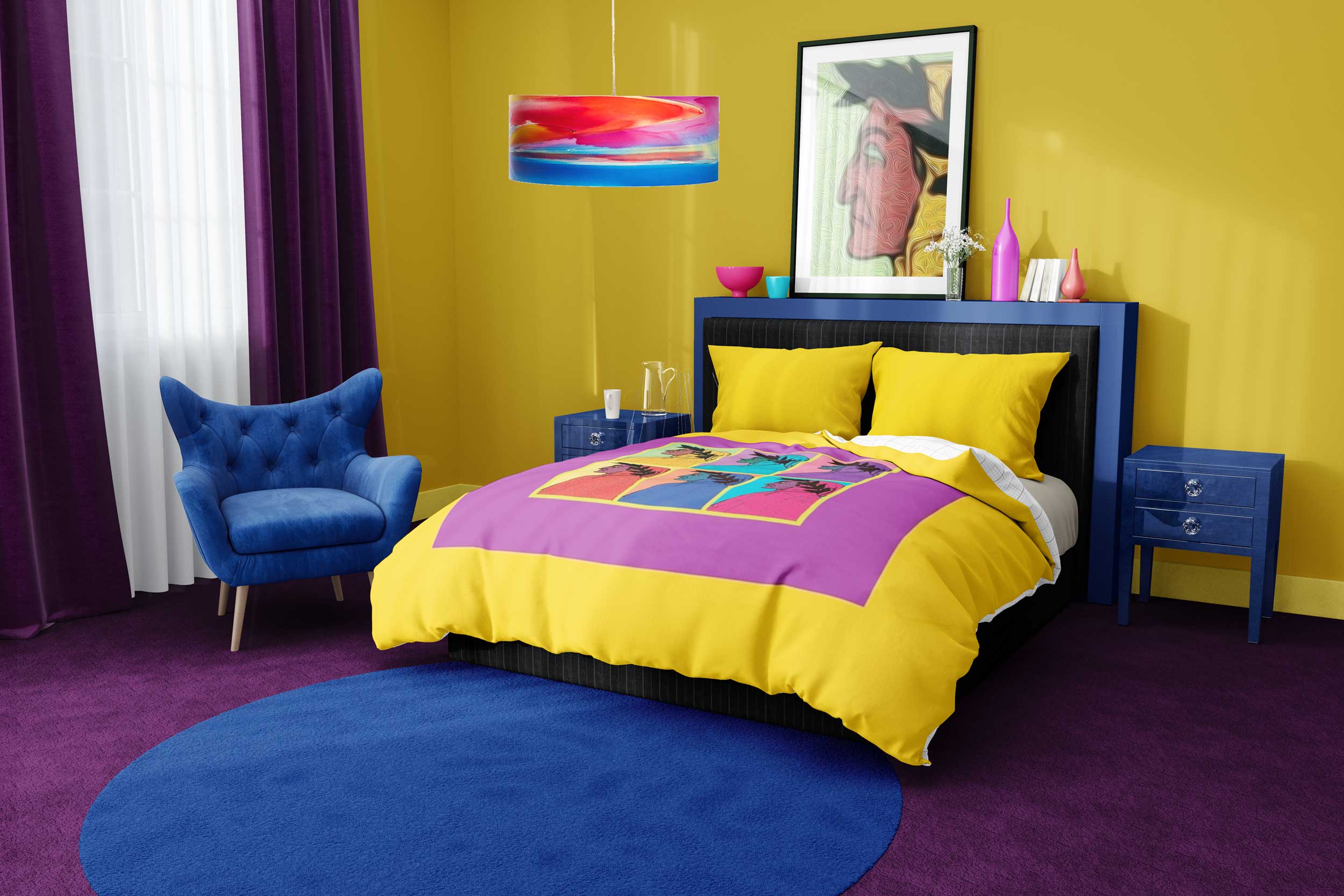
Alessandro di Mariano di Vanni Filipepi, called Botticelli, was born in Florence and trained with Fra Filippo Lippi before working among artists linked to Verrocchio and the Medici circle. Under Lorenzo de’ Medici he painted mythological and religious panels for private houses and public spaces. After Savonarola’s ascendancy his later work grew more austere and intense. He died in Florence in 1510 and was little regarded until a nineteenth-century revival restored his fame.
His best-known paintings are Primavera (c. 1482; Uffizi Gallery, Florence), The Birth of Venus (c. 1484–86; Uffizi), and the Madonna of the Magnificat (c. 1483; Uffizi). Narrative work includes scenes from the life of Moses in the Sistine Chapel (1481–82; Vatican Museums) and drawings illustrating Dante. Portrait panels and tondo Madonnas hang in London, Berlin, Washington, and other major collections.
Botticelli’s linear grace, pale modelling, and rhythmic drapery define Early Renaissance lyricism in Florence. He joined classical myth to Christian feeling with unusual clarity of contour and shallow, decorative space. That elegant line remains the signature by which his paintings are recognised. Museum placements in Florence keep the mythological panels at the centre of Early Renaissance study.